Alexander Mandagie Paris
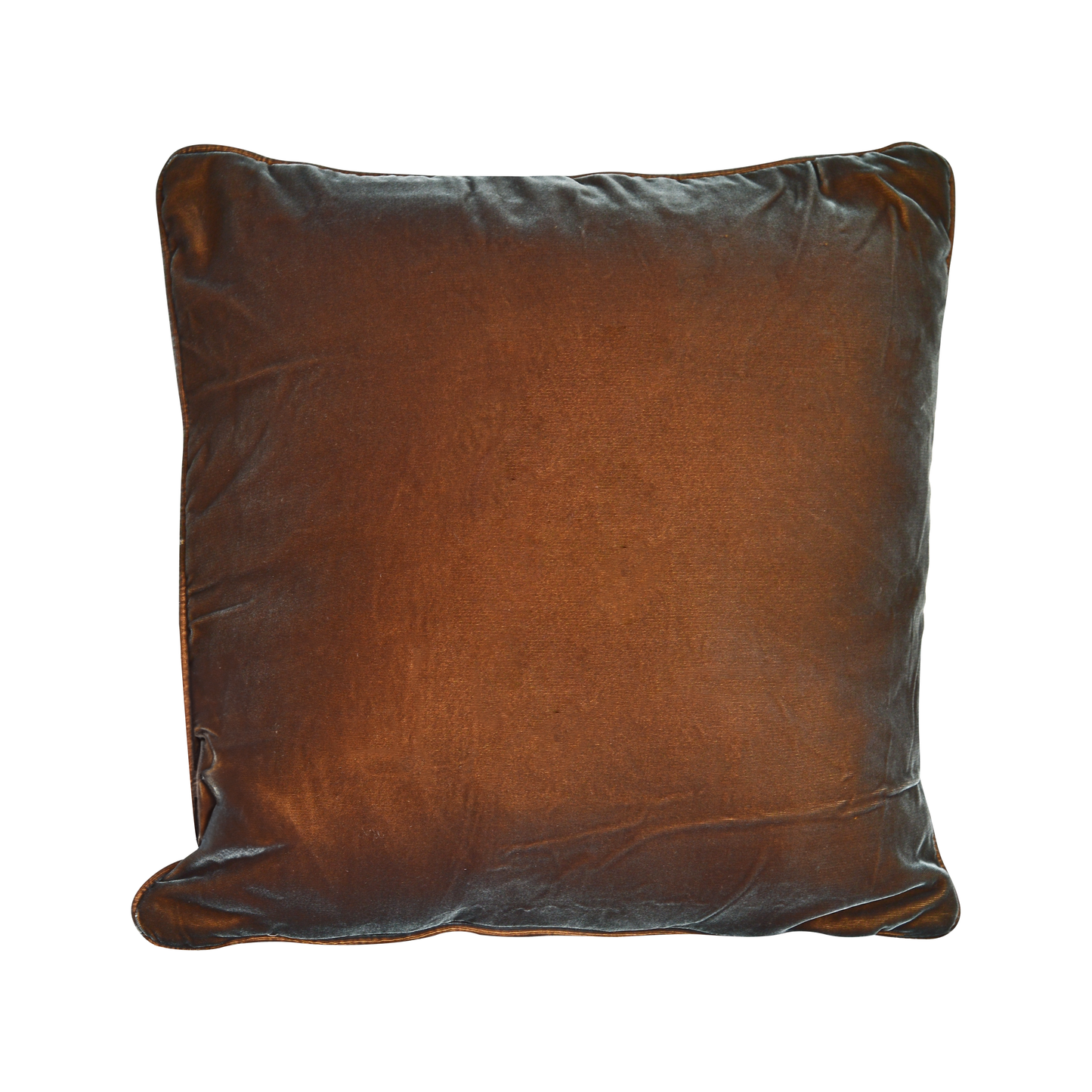
Golden Lasem Batik with Lyonaise Silk Velvet Cushion
Golden Lasem Batik with Lyonaise Silk Velvet Cushion
Couldn't load pickup availability
This sparkling 45 cm x 45 cm cushion showcases the artistry of Lasem Batik from Central Java, Indonesia, featuring authentic hand-drawn batik fabric in vibrant yellow and brown tones on the front. Crafted using traditional wax-resist techniques, the intricate patterns celebrate Lasem’s rich heritage and its centuries-old reputation for bold, expressive batik designs.The artisan dedicated 100 hours across two months to producing this batik.
The back is finished with luxurious French silk velvet, offering a sumptuous contrast of texture and sheen. This cushion is a sophisticated fusion of Indonesian craftsmanship and European elegance, perfect for adding a striking accent to any interior.
Each cushion is made to order, allowing time for careful craftsmanship and attention to detail. Your piece will be ready for shipping within 15 working days of your order date.
It is a perfect, unique gift for you or the ones you cherish most. We invite you to place your order now.
Dimensions: 45 cm x 45cm. Materials used for the front of the cushion: Hand-drawn cotton made by artisans. Materials used for the back of the cushion: French silk velvet. All of our cushions are assembled in Paris, France. Specialised dry clean only. Kindly note the insert is not included. SKU: BLLV001
---
Lasem, a historic coastal town in Central Java, is renowned for its specific contribution to Indonesian textile history through Batik Lasem, often referred to as Batik Tiga Negeri (Batik of Three Realms). This title reflects a complex, historical production method in which a single cloth travelled to different regions to receive its iconic colours: the deep, unforgettable gethuk red (reminiscent of dragon's blood), masterfully dyed in Lasem; the rich indigo of Kudus or Pekalongan; and the earthy sogan brown of Solo or Jogjakarta. The aesthetic language of Lasem batik is a visual dialogue between Chinese immigrants and indigenous Javanese artisans, interweaving imperial Chinese motifs such as the phoenix (lok can), peonies, and dragons with classic Javanese geometric patterns.
The execution of these cloths demanded extraordinary patience, as the wax application required ultra-fine lines to delineate the dense foliage and symbolic creatures that fill every inch of the fabric. Lasem textiles held deep social significance, acting as protective family heirlooms and essential components of traditional wedding dowries for both Peranakan (Straits Chinese) and Javanese families. The enduring intensity of the Lasem red dye, derived from secret recipes involving local mineral compositions and botanical agents, remains unmatched in textile arts. This hybrid heritage of bold symbolism and intense pigmentation yields striking textiles that infuse luxury cushions with a vibrant storytelling quality and a sophisticated global aesthetic.
The folklore of Lasem tells the moving story of Bi Nang Un and Na Li Ni, a pioneering Chinese couple who arrived on the shores of Java during the early Ming Dynasty voyages. Bi Nang Un was a skilled navigator and scholar, while Na Li Ni possessed an extraordinary talent for classical Chinese embroidery and textile arts. Upon settling in the fertile lands of Lasem, they did not isolate themselves within their community but instead shared their artistic knowledge with the indigenous Javanese population. Their marriage was a partnership of mutual respect and shared creative vision, admired by the local community as a model of marital harmony and cultural collaboration.
Na Li Ni integrated local Javanese floral elements into her textile designs while teaching local women new methods of colour fixing and fine-line drawing, effectively laying the groundwork for what would become Lasem’s signature hybrid batik. When Bi Nang Un passed away, Na Li Ni remained dedicated to their adopted home, continuing to nurture both her family and the communal workshops they had founded together. Their legendary love story is preserved not merely in words but within the very DNA of Lasem’s textiles, serving as a reminder that family and community legacy are forged through shared artistry and devotion.
---
Lyon’s textile industry began as a royal project in the 15th century and grew into Europe’s leading silk center. King Louis XI issued a regulation in 1466 to establish silk weaving in Lyon, initially relying on Italian weavers from Calabria and other regions to transfer skills. The industry truly took off under François I, who in 1536 granted Lyon the privilege of weaving silk, gold, and silver thread and, in 1540, gave the city a monopoly on raw silk imports into France, ensuring that fine silks from Italy and Asia passed through Lyon before reaching the rest of the kingdom.wikipedia+6
By the 17th and 18th centuries, Lyon’s Grande Fabrique had become a highly organized, vertically integrated cluster of spinners, dyers, weavers, designers, and merchants. Under Louis XIV and Colbert, the profession was tightly regulated, and Lyon’s figured silks became central to court fashion and interior furnishing, with thousands of looms operating in the city and its suburbs. The invention of the Jacquard loom by Joseph Marie Jacquard in Lyon in 1801 further industrialized pattern weaving, allowing more complex designs to be produced at scale and helping Lyon reach its 19th‑century peak, when silk accounted for more than three‑quarters of local industrial activity and made France’s most powerful export industry.
Share